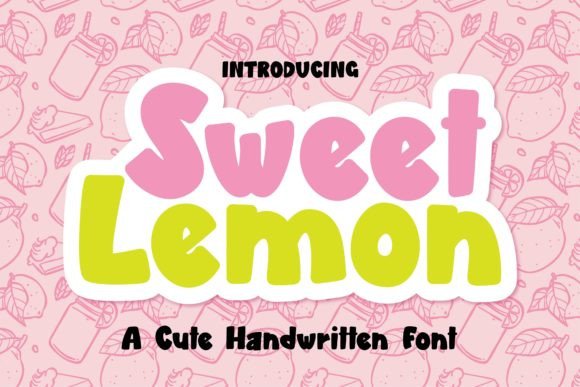
Sweet Lemon Font for Web Design
Sweet Lemon is a display font that brings a fresh, playful energy to digital design. Its bold and unique style makes it ideal for creative projects where visual impact matters. As a web designer, I’ve found that fonts like Sweet Lemon can transform a layout from ordinary to memorable.
Visual Characteristics and Style
Sweet Lemon has a distinctive personality with its rounded edges and slightly exaggerated serifs. It feels both modern and nostalgic, making it versatile for a wide range of brand identities. The font’s flexibility allows it to work well in various contexts, from minimalist designs to more decorative layouts.
The clean lines and consistent stroke weight ensure that Sweet Lemon remains readable even at smaller sizes. This is especially important for mobile responsiveness, where legibility can often be compromised. The font also performs well on dark and light backgrounds, which is crucial for ensuring accessibility across different platforms.
Applications in Web Design
Sweet Lemon is particularly effective when used as a hero title or section heading. Its bold presence draws the eye and helps establish visual hierarchy without overwhelming the user. On landing pages, it can be used for call-to-action buttons or headlines that need to stand out.
In online stores, Sweet Lemon can add character to product banners or promotional graphics. It works especially well for boutique brands looking to convey a sense of creativity and individuality. For portfolio sites, using Sweet Lemon in headers or project titles can help reinforce a designer’s personal brand.
When designing course pages or coaching websites, this font can create a friendly and approachable tone. It complements content that aims to engage and inspire users, making it a great fit for educational or motivational content.
Readability and Visual Hierarchy
One of the most important considerations when choosing a display font is readability. Sweet Lemon maintains clarity even when used in larger sizes, which is essential for headers and titles. However, it’s not recommended for long blocks of text due to its decorative nature. Instead, it should be paired with a simpler sans serif font for body copy to maintain balance and readability.
Using Sweet Lemon in short phrases or logos can enhance brand recognition. Its unique style helps differentiate a brand from competitors while maintaining professionalism. When used in conjunction with other design elements such as color and spacing, Sweet Lemon can guide the user’s eye through a page effectively.
Font Pairing and Brand Identity
Font pairing is a critical aspect of typography in web design. Sweet Lemon pairs well with clean, modern sans serif fonts like Helvetica or Arial for body text. This combination ensures that the design remains visually balanced while still allowing the display font to make an impression.
For editorial or blog-based websites, pairing Sweet Lemon with a serif font can create a more traditional and elegant look. This is especially useful for content-focused sites where readability and aesthetics are equally important.
When building a brand identity, consistency is key. Using Sweet Lemon across all branded assets—such as website headers, social media posts, and marketing materials—helps reinforce a cohesive visual language. This level of consistency builds trust and recognition among users.
Practical Tips for Implementation
Before implementing Sweet Lemon on a live site, it’s important to check the available file formats and ensure that it supports the necessary languages. Most premium display fonts come with webfont versions that are optimized for performance and compatibility.
Also, consider the licensing terms. If you’re using Sweet Lemon for client projects, online stores, or digital templates, it’s essential to have the appropriate commercial license. This avoids legal issues and ensures that your use of the font is fully compliant.
Testing the font on different screen sizes and devices is another crucial step. Responsive design requires that typography remains legible and aesthetically pleasing across all platforms. Tools like Google Fonts or font embedding services can help streamline this process.
Finally, always consider how the font contributes to the overall tone and message of your design. Sweet Lemon is best suited for projects that benefit from a touch of playfulness and creativity. It should be used thoughtfully to align with the brand’s voice and audience expectations.